Exploring the Link Between Nutrition and Mental Health
Discover how what you eat can impact your mental well-being. Learn practical tips for nourishing your mind and body through balanced nutrition.
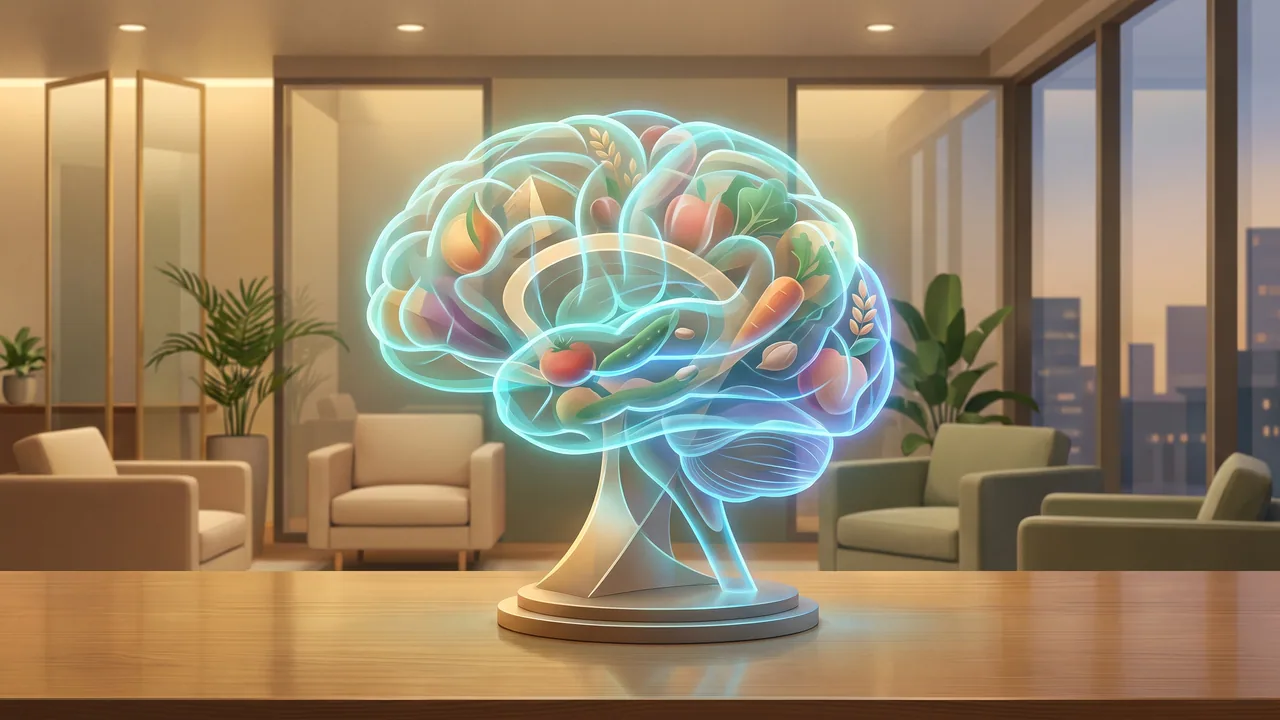
Understanding the Connection
Nourishing our bodies is essential for overall health, but did you know that what we eat can significantly affect our mental health as well? Research suggests that a balanced diet rich in nutrients can help improve mood, reduce anxiety, and even enhance cognitive function.
Think of your brain as a complex machine that requires fuel to run efficiently. Just as poor-quality fuel can hinder a vehicle's performance, inadequate nutrition can impact your mental clarity and emotional stability.
Essential Nutrients for Mental Well-Being
Certain nutrients play a crucial role in maintaining mental health. Here are some key components to consider:
- Omega-3 Fatty Acids: Found in fatty fish like salmon and walnuts, these fats support brain health and have been linked to reduced symptoms of depression.
- B Vitamins: Vitamins like B6, B12, and folate are vital for producing neurotransmitters that regulate mood. Sources include leafy greens, eggs, and whole grains.
- Antioxidants: Foods high in antioxidants, such as berries and dark chocolate, combat oxidative stress, which can negatively impact mental function.
- Protein: Amino acids from protein-rich foods help in the production of neurotransmitters. Consider lean meats, legumes, and dairy for a mental boost.
Practical Tips for Better Nutrition
Incorporating these nutrients into your diet doesn’t have to be overwhelming. Here are some practical micro-tips:
- Plan Your Meals: Spend a few minutes each week planning balanced meals. Aim for a variety of colours on your plate to ensure a range of nutrients.
- Snack Wisely: Swap sugary snacks for nuts, yogurt, or fruit to keep your energy steady and your mood stable.
- Stay Hydrated: Dehydration can affect mood and cognitive function. Aim for at least 8 cups of water a day.
- Mindful Eating: Take time to enjoy your meals. Eating slowly can help you appreciate your food and recognise hunger cues.
The Role of Gut Health
Interestingly, our gut health is closely linked to our mental health. The gut-brain axis is a two-way communication network between the gut and the brain. A healthy gut can contribute to improved mood and cognitive function.
To support gut health, consider including fermented foods in your diet, such as yogurt, kimchi, or sauerkraut. These foods are rich in probiotics, which can promote a healthy balance of gut bacteria.
Conclusion
Understanding the connection between nutrition and mental health empowers us to take proactive steps towards a healthier mind. By making small, mindful changes to our diets, we can nourish our bodies and minds simultaneously. Remember, every positive choice counts, and it’s all about finding a balance that works for you.
Need a moment to breathe?
CalmCall gives you a warm, judgment-free space to talk things through, anytime — completely confidential.